Bank of England Won't Rush Interest Rate Decisions Amid Energy Shock
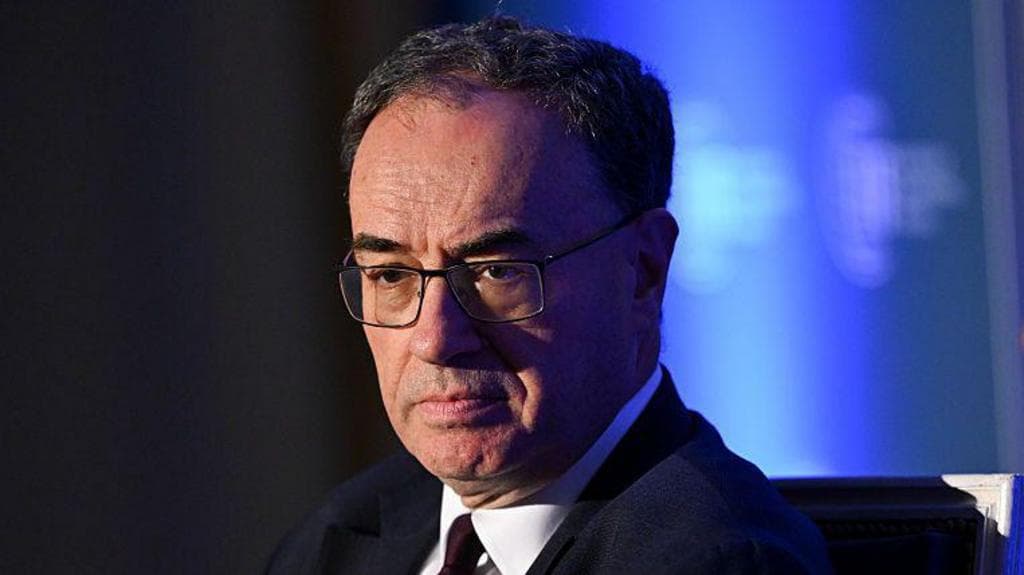
Governor Bailey explained that the ongoing Middle East conflict and its impact on energy prices present a complex challenge for central banks. While rising energy costs typically lead to higher inflation, which would prompt interest rate increases, the potential for these same factors to slow economic growth complicates the decision. Central banks usually raise rates to curb demand when inflation is high, but lower them to stimulate borrowing and spending during economic slowdowns. The current situation, where higher energy prices could both boost prices and hinder growth, makes the Bank of England's task more challenging. Bailey emphasized the need for more "meaningful data" before making strong judgments, highlighting the UK's significant dependency on gas and the critical role of the conflict's duration in determining the economic outcome.