Trump hints Iran talks could resume this week as US maritime blockade continues
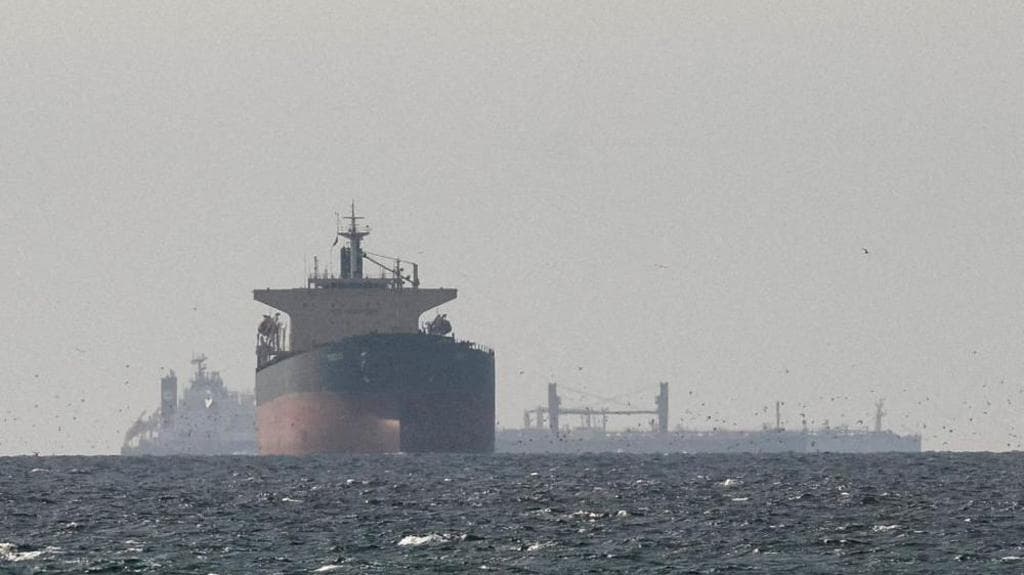
The US-enforced blockade of Iranian ports and coastal areas began after initial high-level negotiations in Islamabad failed to produce an agreement. US Central Command reported that six merchant vessels complied with directions to turn around, though ship-tracking data indicated at least four Iran-linked vessels and three other ships crossed the Strait of Hormuz despite the blockade. The operation aims to cut off Iran's vital economic lifelines, specifically targeting oil revenue and tolls from passage through the critical Strait of Hormuz, which Iran has effectively shut since late February.
The breakdown in talks centered on Iran's nuclear ambitions, with the US proposing a 20-year suspension of uranium enrichment, while Tehran suggested a five-year halt. Despite the diplomatic impasse, UN Secretary General António Guterres stated it was "highly probable" that negotiations would restart, with Gulf, Pakistani, and Iranian officials also suggesting a return to talks later this week.
Internationally, China described the blockade as "dangerous and irresponsible," warning it would escalate tensions. The International Monetary Fund cautioned that the conflict could lead to a global economic recession, though US Treasury Secretary Scott Bessent suggested "a small bit of economic pain" was acceptable for long-term security. Separately, Israel and Lebanon held their first direct talks since 1993, described as productive, though US officials stressed no link to the US-Iran negotiations.